When should your child get their own phone?
There is no fixed age for a first phone. Norwegian guidance from 2026 suggests choosing a simple device with fewer distractions if your child needs one.
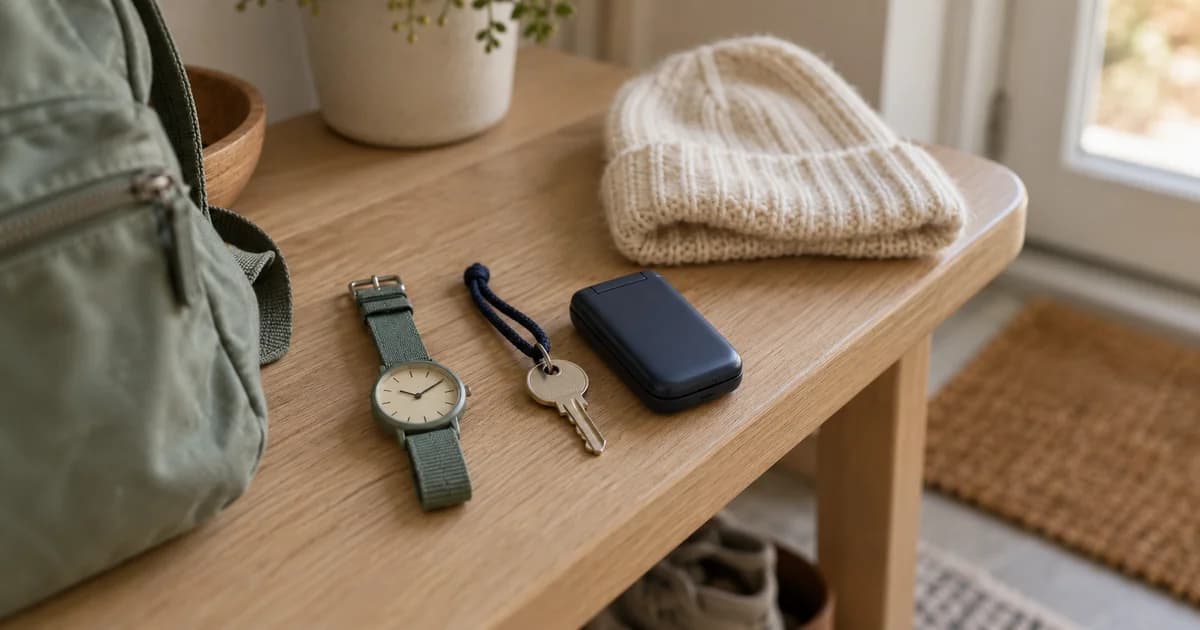
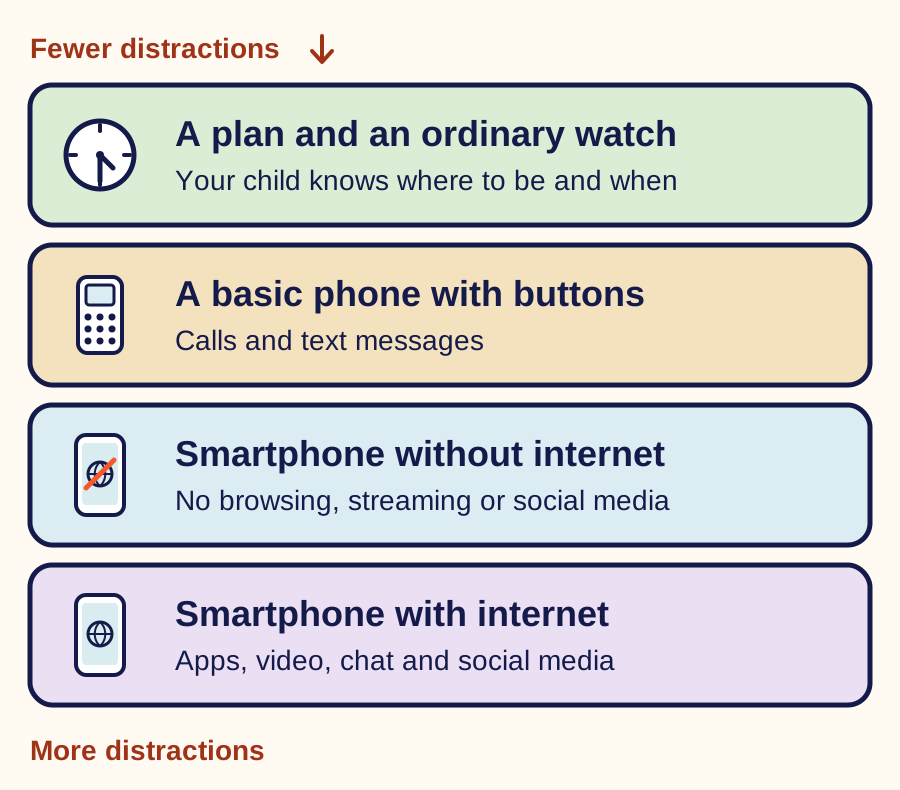
When your child should get their own phone depends on what they need it for. Norwegian screen guidance from September 2026 sets no fixed age. It recommends limiting access to smartphones for children aged 6 to 12. If a child needs a phone, it suggests a device with fewer temptations and risks, such as a basic phone with buttons or a smartphone without internet access.
The question often comes up when your child starts walking to friends or activities alone, or when classmates get phones. The decision can feel urgent. You can still take your time. There are several steps before a smartphone.
What does the Norwegian guidance say?
The guidance recommends limiting children's access to devices with internet connections. It was prepared jointly by the Norwegian authorities Helsedirektoratet, Bufdir, Utdanningsdirektoratet and Medietilsynet. These are recommendations for parents, rather than rules. They describe the Norwegian context, so check guidance where you live too.
One reason is that phone use becomes more private when the device travels in a pocket or school bag. It can become harder for you to stay involved and set limits. For younger children, chats and group messages can also lead to misunderstandings or feeling left out.
The recommendations advise against children in this age group using TikTok, Snapchat, Instagram, Facebook, WhatsApp or similar services. A smartphone with internet access makes these available. That is a reason to consider which functions your child actually needs.
If you are considering a smartwatch, check its functions as you would a phone's. Norway's education authority recommends strict limits on personal phones and smartwatches during lessons and breaks throughout primary school. Always check your child's own school rules.
What does your child need a phone for?
For many families, there are three needs: reaching you, knowing when to come home and feeling included. Each can have its own solution.
- Reaching you. A basic phone can make calls and send messages. Consider one without a browser or apps. For short trips, a plan may be enough: where your child will be and which adult they can ask for help.
- Knowing when to come home. This does not need a screen. An ordinary wristwatch and an agreed time may be enough once your child can read the clock.
- Joining in. When classmates get phones, saying no can be difficult. Talk with other parents. If several families wait together, your child is not the only one waiting.
If your child is rarely without an adult, a phone may be able to wait. Walking to activities alone can change that need. A basic phone might then be a first step.
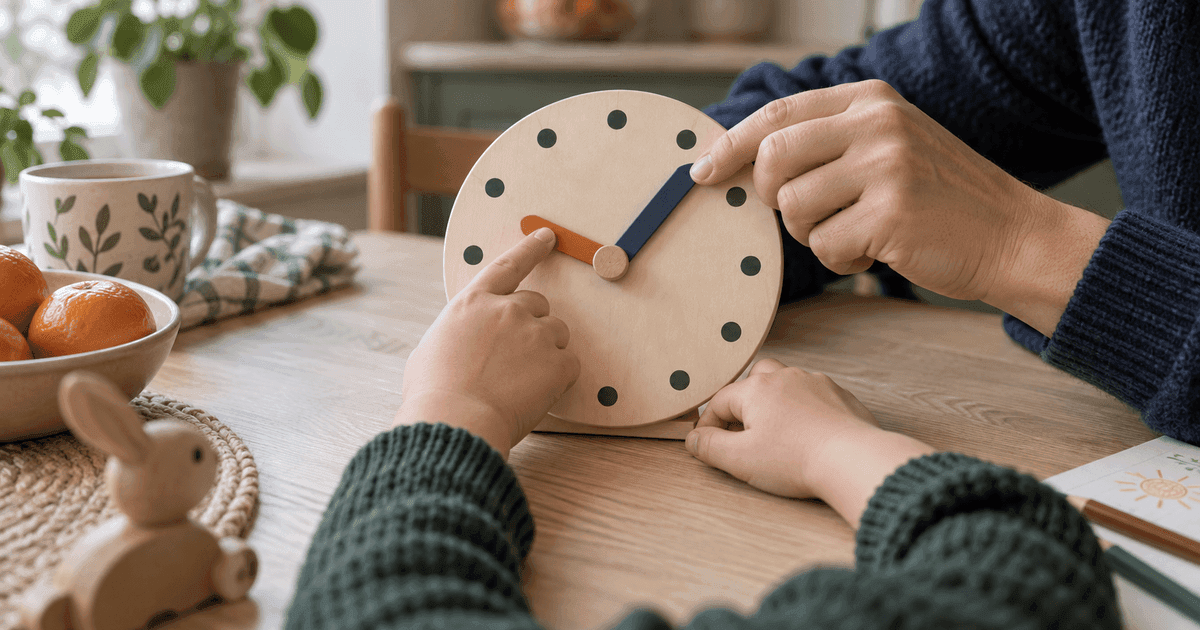
Make the plan for coming home visible on a clock. Say the time and point to the hands: “Come home when the long hand points straight down and the short hand is between four and five.”
What can you practise before getting a phone?
Practise the things a phone would help with and talk about what is okay to share. The Norwegian guidance recommends having this conversation beforehand. Explain that photos and videos of other people should not be shared without permission. Tell your child they can come to you if something feels upsetting or frightening, and that it is safe to tell you.
Tonight, make a plan for the next visit to a friend:
- Where will your child be, and which adult will be there?
- When should your child leave, and where will the clock hands point?
- What happens if the plan changes? Your child could ask the adult to help them call you.
After a few visits, the need for a phone may become clearer. If reading the clock is still new, start with introducing the clock hands. You can also read about learning apps and screen time.
For more practice, we made Klokkeappen. It offers activities and games about analogue and digital time, with spoken instructions. New ideas may still need an explanation from you first. Check the app store for supported languages and pricing; the app has no ads or in app purchases.